DIY Hair Mask, Face Scrub and Skin Care Routine After Recovery
Hair, skin and gut recovery routine after illness with DIY care.
PSPriya Singh 4 min read


Hair, skin and gut recovery routine after illness with DIY care.

Illness changes more than your health. It affects your energy, confidence, skin and hair. I learned this during one of the hardest periods of my life.
For almost two months, I stayed away from work and social media. I spent most of my time resting, visiting hospitals and trying to understand why I felt unwell. I went through several medical tests, including scans and ultrasound examinations. I also dealt with stomach pain, weakness and poor digestion.
At first, I thought the problem would disappear in a few days. Instead, my condition became worse. I stopped exercising because my body had no strength. I often felt sick and lost my appetite. As the weeks passed, I developed nutritional deficiencies. My body weight dropped from its normal level to only 41 kilograms. I lost around nine kilograms in two months.
My skin became dull. My hair started falling. I looked tired all the time. The experience affected both my body and my mind.
Instead of giving up, I decided to focus on recovery one step at a time.
My first goal was simple. I wanted my body to heal. I needed better nutrition without putting extra pressure on my stomach.
Along with following my doctor's advice, I paid more attention to healthy food choices. I looked for foods that were rich in vitamins and antioxidants. I also worked on improving my gut health because good digestion plays a big role in overall wellness.
After several weeks, I noticed small changes. My energy slowly returned. My skin looked healthier. My hair felt stronger. Recovery was slow, but every improvement gave me confidence.
One product I included in my routine was organic Sea Buckthorn juice.
Sea Buckthorn is a bright orange berry that grows in the Himalayan region. The fruit contains vitamin C, antioxidants and healthy fatty acids such as Omega 3, Omega 6, Omega 7 and Omega 9.
I mixed 10 to 20 millilitres of the juice with a glass of water every day.
After using it consistently for about a month, I felt my digestion became more comfortable. My skin looked brighter and my hair appeared healthier. While everyone's experience is different, adding nutrient-rich foods to your diet supports your body's natural recovery.
Sea Buckthorn should never replace medical treatment. It works best as part of a balanced diet and healthy lifestyle.
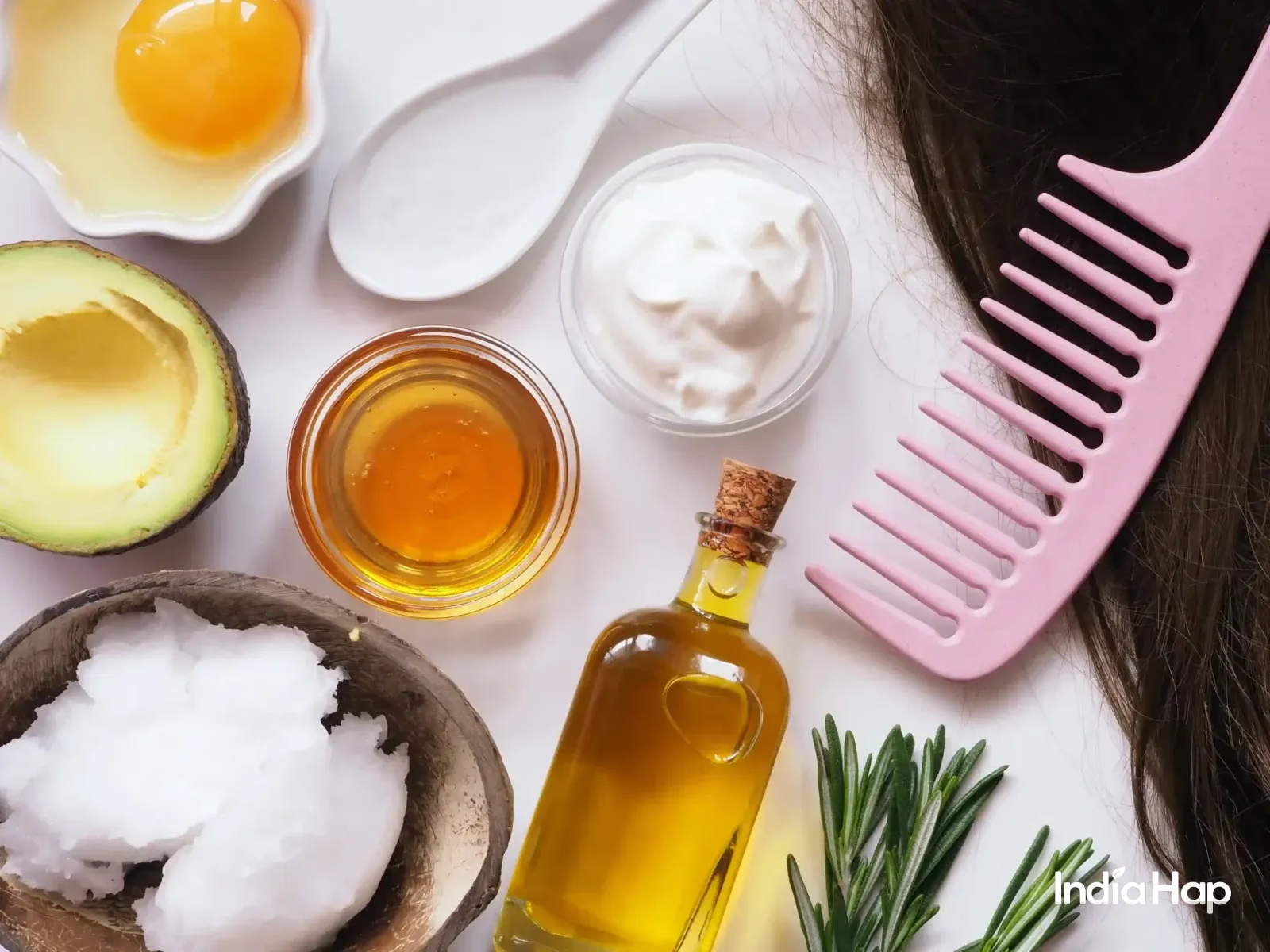
Hair fall became one of my biggest concerns after illness. Instead of using many products, I prepared a simple homemade hair mask.
Flaxseeds
Guava leaves
Curry leaves
Water
Boil the guava leaves and curry leaves in water for several minutes.
Strain the leaves and keep the liquid.
Add flaxseeds to the liquid and continue heating until a thick gel forms.
Pour the gel into a clean container while it is still warm.
Allow it to cool before use.
Massage your scalp first to improve blood flow.
Apply the gel from the roots to the ends of your hair.
Leave it on for about 30 to 45 minutes.
Wash your hair with a mild shampoo.
Use this mask once every week.
Guava leaves contain vitamin C and natural plant compounds. Curry leaves provide vitamins and minerals. Flaxseeds contain healthy fats and vitamin E. Together, these ingredients help improve the appearance of dry and damaged hair.
I also changed a few daily habits.
I used a wooden comb instead of a plastic one.
I avoided harsh shampoos.
I always applied conditioner after washing my hair.
I avoided excessive heat styling.
These simple changes helped reduce dryness and made my hair feel softer.
During my illness, I did not have enough energy to care for myself. After recovering, I slowly returned to my normal routine.
Before shaving or waxing, I cleaned my skin well. I also used a gentle body scrub to remove dead skin cells. This helped reduce the chance of ingrown hair.
People often choose either shaving or waxing based on comfort and availability. Both methods work well when done correctly.
After hair removal, I rinsed my skin with cool water. This helped calm the skin and reduce irritation. I avoided hot water immediately after shaving.
Many women worry that shaving facial hair will make it grow back thicker.
Medical experts say this is a myth.
Shaving does not change the thickness, colour or growth rate of hair. Freshly shaved hair has a blunt edge, which makes it feel rough when it grows back.
If you have PCOS or PCOD, facial hair may grow faster because of hormonal changes. In such cases, regular hair removal may become part of your routine.
I also made a simple homemade face scrub.
Rice flour
Neem powder
Honey
Rose water
Mix all the ingredients into a smooth paste.
Massage your face gently for one or two minutes.
Wash your face with clean water.
Rice flour helps remove dead skin cells. Neem supports cleaner skin. Honey provides moisture. Rose water leaves the skin feeling fresh.
After cleansing, I applied aloe vera gel because it felt light and soothing. I avoided heavy oils that blocked my pores.
Recovery takes time. Your body needs rest, proper nutrition and patience.
Small daily habits make a big difference. Healthy food, simple skincare and regular hair care helped me regain confidence.
Most importantly, I learned to listen to my body instead of ignoring warning signs.
Every recovery journey is different. Follow medical advice, eat nutritious food and give yourself enough time to heal. Slow progress is still progress.
Comments
Be the first to comment.